
Top 10 Ways to Improve Agricultural Safety
Farming ranks as the nation’s most deadly industry with a workplace death rate that is 700% high than the average of all other non-agriculture industries. In Wisconsin, we know of about 25–35 farm work-related fatalities each year and estimate there to be about 12,000 injuries — with 80% of these requiring medical care or treatment. What are some things that research tells us could bring these numbers to more acceptable levels?
- Buy a rollover protective structure (ROPS) for older tractors. If an approved ROPS is not available, avoid using that tractor or consider trading or selling it through a local dealer. Antique tractors are okay for parades and fairs, but are unsafe for everyday work.
- Replace missing power take-off and rotating equipment shields. Shut off power equipment before leaving the operator’s station for any reason.
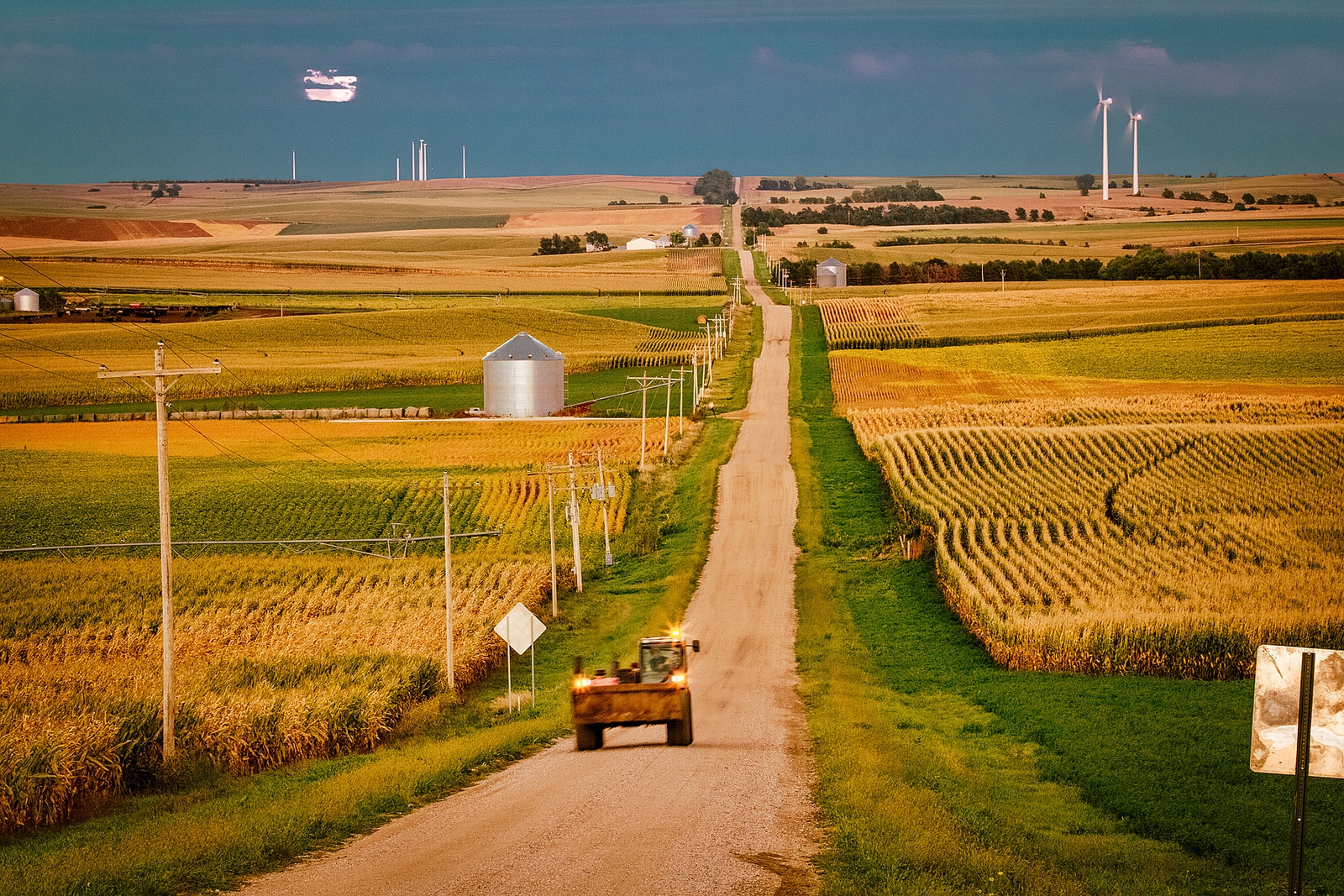
- Check that lights, flashers, and reflectors on machines work properly. Always use them when traveling on roadways.
- Replace “slow moving vehicle” emblems that are not clean and bright.
- Inspect and repair farm machinery before the busy season. A well-maintained machine will operate more efficiently and reduce the chance of an injury.
- Use proper equipment and procedures when hitching and unhitching implements.
- Never enter a manure pit, grain bin, or silo without following confined space entry procedures. The gases and materials in these structures kill farmers every year.
- Ensure that all workers receive specific instructions on their tasks and the machines they are operating. Be sure they read and understand all operational procedures in the owner’s manual.
- Take time to learn basic first aid, CPR, and emergency response.
- Do not assign jobs to children unless they are physically, mentally, and legally ready to perform the job safely, follow directions, and can respond to unexpected situations. This often means waiting until youth are at least 16 years old.
Taking stock of how your operation compares to these safety-first recommendations –and cultivating new habits and practices where necessary – can bring down the number of accidents that may otherwise impact your farm.
About Author

John Shutske
Agricultural Safety & Health Specialist